Value vs Standard vs Express vs Premium Grading Services Compared
Compare the Value ($10, 12 days), Standard ($40, 7 days), Express ($200, 4 days), and Premium ($1,500, 2 days) grading tiers, odds, and package limits.
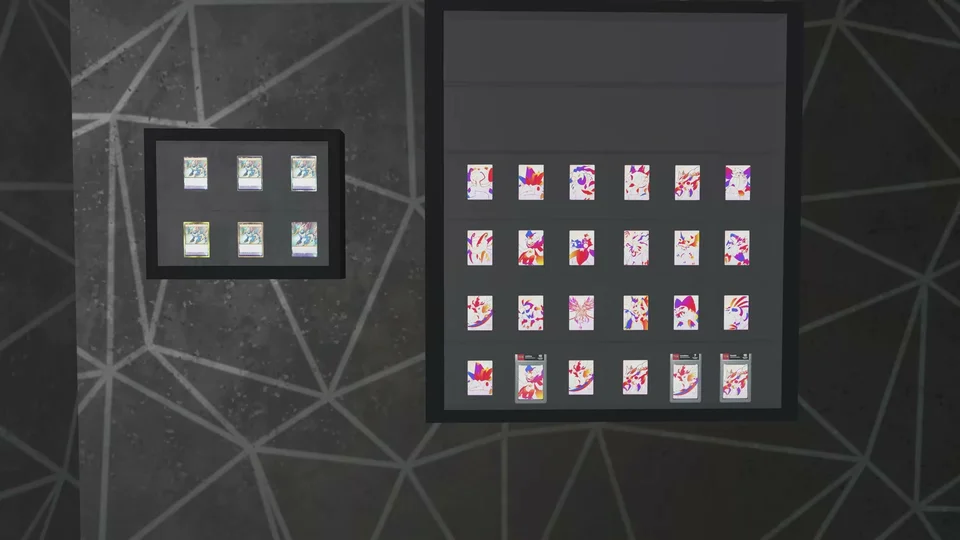
Value, Standard, Express, and Premium all roll from the same Grade 1 to Grade 10 probability table, so higher fees buy shorter turnaround times rather than better grades. Value charges $10 per card for a 12-day wait, whereas Premium charges $1,500 per card for a 2-day turnaround. Because card market prices are ranges rolled per save rather than fixed numbers, start with the card prices guide and check whether card grading is worth it before paying extra for speed.
Fee and turnaround tiers compared
You send cards out through The Cardinal’s Grading app on the phone, and each package holds up to 8 cards. Both the wait time and the per-card fee depend on which tier you select for that order:
- Value costs $10 per card and returns after 12 days.
- Standard costs $40 per card and returns after 7 days.
- Express costs $200 per card and returns after 4 days.
- Premium costs $1,500 per card and returns after 2 days.
| Service Tier | Turnaround | Fee per Card | Cost / Day |
|---|---|---|---|
| Value | 12 days | $10 | $0.83/day |
| Standard | 7 days | $40 | $5.71/day |
| Express | 4 days | $200 | $50.00/day |
| Premium | 2 days | $1,500 | $750.00/day |
Why every tier rolls the same odds
All four service speeds draw from the same ungraded outcome table, so paying $1,500 for Premium gives the same 38.4 percent Grade 10 chance and 0.3 percent Grade 1 chance as paying $10 for Value. Grade 9 hits at 23.04 percent and Grade 8 hits at 17.28 percent across every tier, while Grade 10 carries a 3.0x to 7.0x multiplier plus a $12 bonus per multiplier step.
Compare the Cost / Day column in the service table above—rising from Value ($10 over 12 days) and Standard ($40 over 7 days) to Express ($200 over 4 days) and Premium ($1,500 over 2 days)—or run any card from our most valuable cards guide through the card grading ROI tool to see how each tier’s fee cuts into profit.
| Grade | Chance (Ungraded) | Multiplier Range | Flat Bonus / Mult |
|---|---|---|---|
| Grade 1 | 0.30% | 0.01x – 0.15x | — |
| Grade 2 | 0.30% | 0.15x – 0.25x | — |
| Grade 3 | 0.60% | 0.25x – 0.35x | — |
| Grade 4 | 1.20% | 0.35x – 0.45x | — |
| Grade 5 | 5.92% | 0.45x – 0.65x | — |
| Grade 6 | 4.32% | 0.65x – 1x | — |
| Grade 7 | 8.64% | 1x – 1.25x | +$2 |
| Grade 8 | 17.28% | 1.25x – 1.5x | +$4 |
| Grade 9 | 23.04% | 1.5x – 3x | +$8 |
| Grade 10 | 38.40% | 3x – 7x | +$12 |
Displaying and pricing returned slabs
Once a shipment returns, you can store slabs in the graded album or show them off on late-game card displays. A 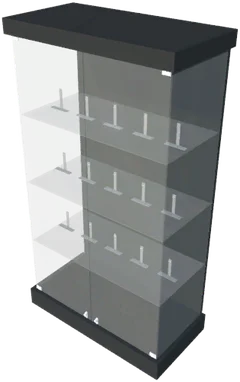 Big Card Display unlocks at shop level 50 for $5,000 and holds 20 cards, while a
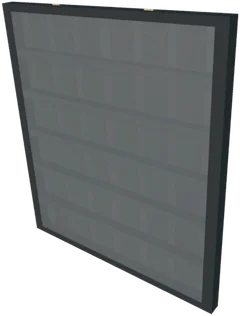 Wall Display Case unlocks at shop level 52 for $5,000 and holds 36 cards. When you put graded singles out for sale, follow our best price to set guide so markup penalties do not stall buyers.